
What are dental crowns & bridges?
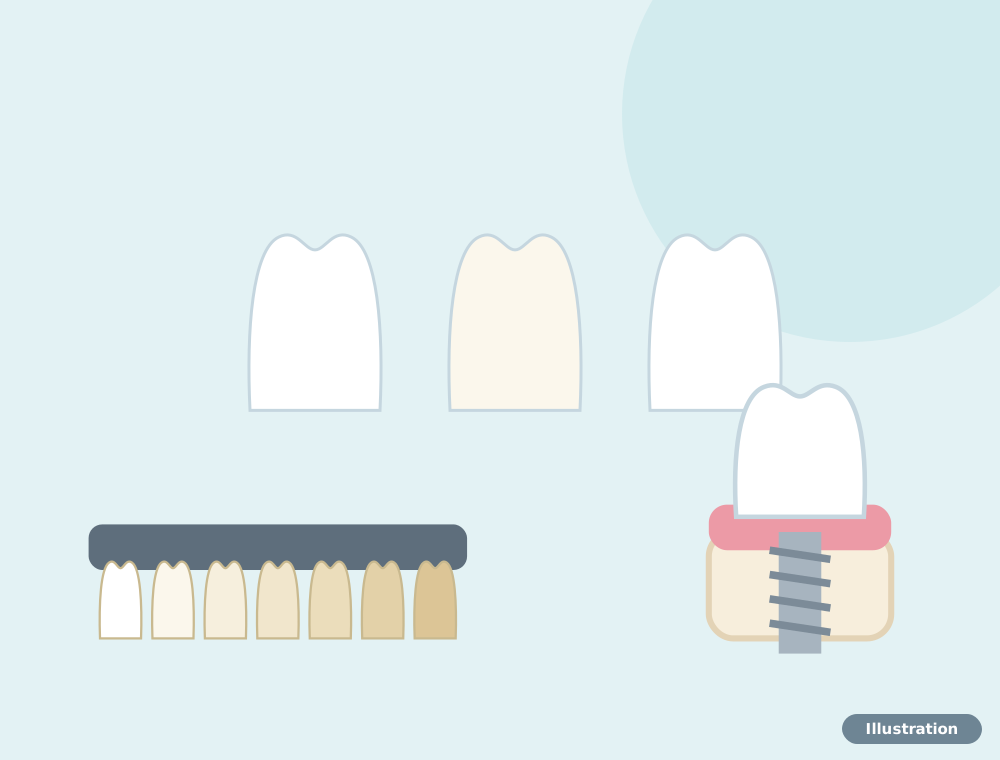
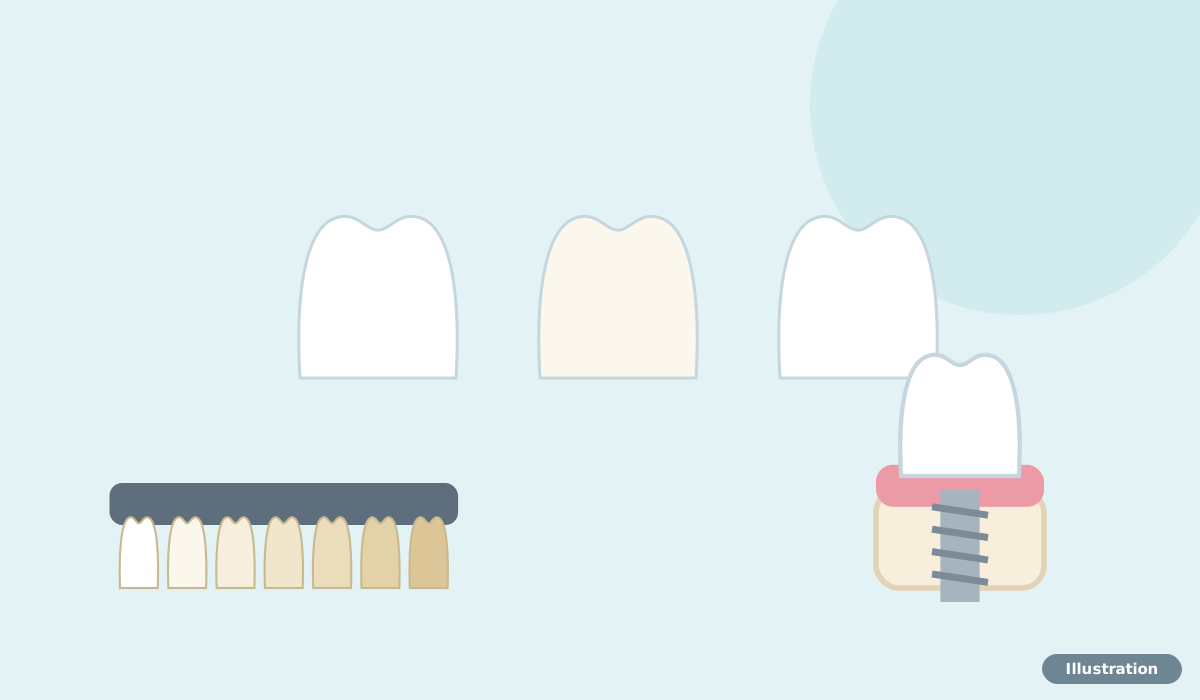
A crown is a custom-made cap that covers the visible part of a tooth. It restores shape, strength and appearance when a tooth is heavily filled, cracked, worn or root-canal treated.
A bridge replaces one or more missing teeth with an artificial tooth (pontic) attached to crowns on the teeth — or implants — on either side of the gap.
Common reasons patients seek dental crowns & bridges
- A tooth weakened by a large filling or fracture
- Protection after root canal treatment
- Worn or discoloured teeth
- One or more missing teeth
- Restoring an implant
Who may benefit?
- Patients with healthy roots and gums supporting the tooth to be crowned
- For bridges: sound neighbouring teeth or implants to act as supports
- People wanting a fixed (non-removable) solution
Only a dental examination can confirm whether this treatment is right for you.
How the treatment is evaluated and performed
- AssessmentExamination and X-rays confirm the tooth and gums are healthy enough.
- Tooth preparationThe tooth is shaped under local anaesthesia to make room for the crown.
- Impressions / digital scanAn accurate record is sent to the dental laboratory; a temporary crown is placed.
- FittingThe final crown or bridge is checked for fit, bite and colour, then cemented.
Consultation and diagnostic process
X-rays confirm the health of roots and bone. Shade selection is done in natural light where possible. Material choice — metal-ceramic, zirconia or all-ceramic — is discussed based on location, bite and aesthetics.
General recovery and aftercare
- Avoid sticky foods on temporary crowns
- Brush twice daily and clean under bridges with floss threaders or interdental brushes
- Wear a night guard if you grind your teeth and your dentist recommends one
- Attend regular check-ups so margins can be examined
Your dentist will provide aftercare instructions specific to your treatment. Clinic to review aftercare text
Potential risks and limitations
- Temporary sensitivity after preparation
- A crown can chip or loosen
- Decay can still develop at the crown edge if hygiene is poor
- Preparing healthy neighbouring teeth for a bridge is irreversible — implants are an alternative
Your dentist will discuss risks, benefits and alternatives with you before you consent to treatment.
Treatment cost guidance
Costs depend on material, number of units and whether the crown is on a natural tooth or an implant. You will receive an estimate after your consultation.
Frequently asked questions
How long do crowns last?
Many crowns last for years with good care, but longevity depends on material, bite, hygiene and habits such as grinding.
Which crown material is best?
There is no single best material. Zirconia and ceramic crowns offer good aesthetics; metal-ceramic may suit some back teeth. Your dentist will recommend an option for your situation.
Bridge or implant — which is better?
Both are valid. An implant avoids reshaping neighbouring teeth but involves surgery; a bridge is usually quicker. We will explain the pros and cons for your case.
This page provides general information and is not a substitute for a dental examination. Content to be reviewed by a qualified Dental One G dentist before publication. Treatment availability to confirm with clinic